Understanding Hajj: The Journey in Stages
A short, general overview of the main stages of Hajj and how to prepare. Always follow the official instructions and your scholar's guidance.
Hajj is one of the five pillars of Islam, performed in the Hijri month of Dhul Hijjah for those who are able. Because it follows the Islamic calendar, its dates move earlier by roughly ten days each year in the Gregorian calendar, so plan with the official announcements for the current season rather than with last year's dates.
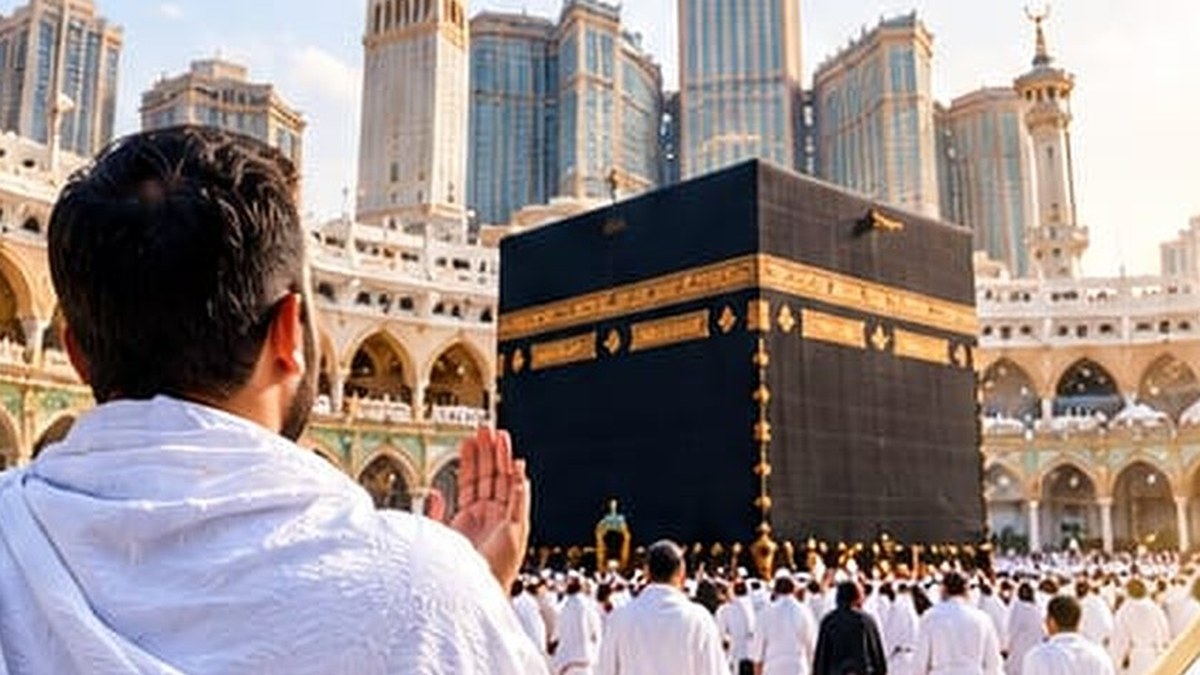
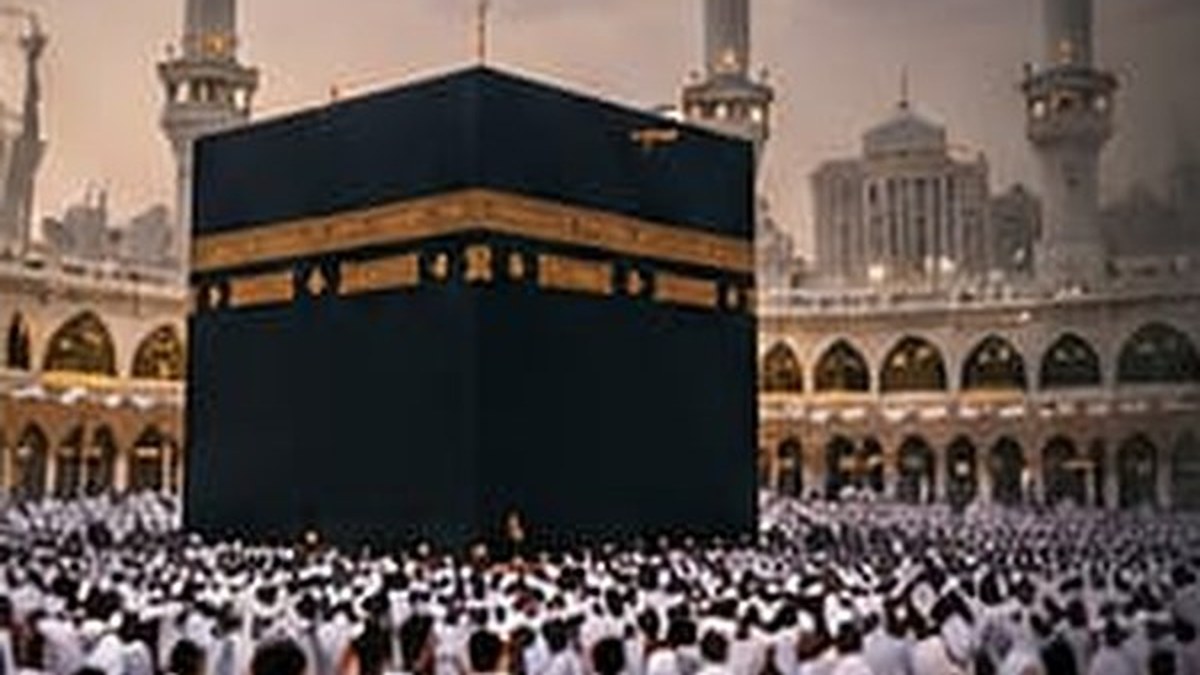
In brief, the main stages are: entering ihram with the intention for Hajj; going to Mina; standing at Arafat, which is the heart of Hajj; spending the night at Muzdalifah; casting pebbles at the Jamarat; the sacrifice; shaving or shortening the hair; and the tawaf of Hajj around the Kaaba with sa'i where required. The pilgrim then performs the farewell tawaf before leaving Makkah. The details and the order depend on the type of Hajj and on the guidance of qualified scholars, so please learn them from a trusted teacher before you travel.
Registration and permits. Hajj is organised by the official authorities, and the way pilgrims register, the permits required and the number of places available are set by them for each season and differ from country to country. We cannot promise a place; what we can do is explain how the official procedure applies to you and tell you the steps clearly.
Preparation. Hajj involves a lot of walking, long days outdoors and large crowds. Prepare physically in the months before, talk to your doctor, and plan for heat, hydration and rest. Choose the program and accommodation that suit your age and health, and ask what is included in writing.
Above all, prepare your heart: learn the rites, make sincere intentions, settle your affairs, and ask for forgiveness and for ease. This article is a general summary and is not a ruling; for any religious question consult a qualified scholar.
General information only, not a religious ruling. Always confirm the current rules with the official sources, ask a qualified scholar about religious questions, or contact us.